The science in CTE, and what it demands of the student who takes it.
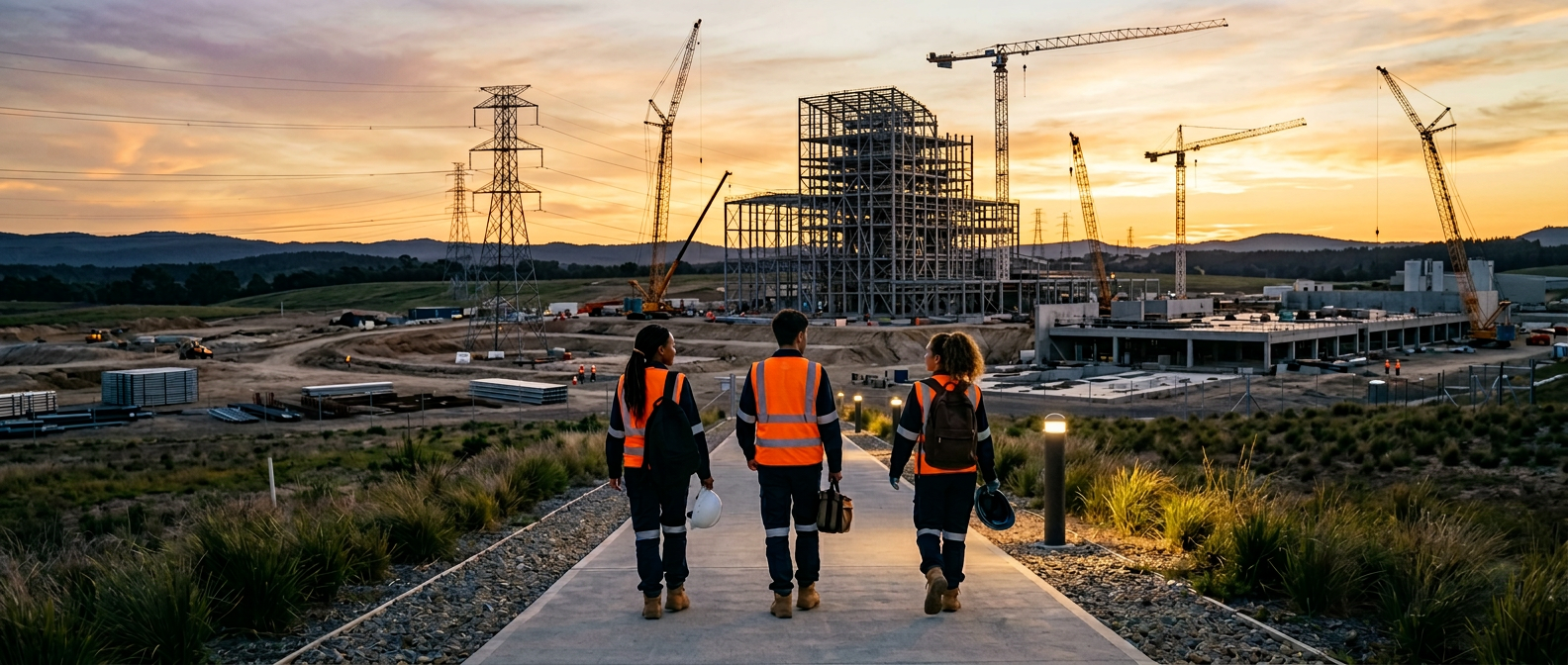
America is rebuilding its grid, its plants, and its factories at a scale and complexity it has never attempted.
And we’re betting on a generation that never built a fort.
AI is transforming work. The jobs long considered safe — analytical, managerial, professional — are the ones it reaches first. The work that needs skilled hands has gotten harder, and more in demand. Those jobs are going unfilled.
That work is physics, chemistry, and mathematics applied in the physical world. Career and Technical Education in the skilled trades is where it's taught.
This country spent generations steering young people away from those classes. We were wrong, and it cost us twice: once in an economy short of the people we need to build and run it, and again in a generation of children who grew up without the capabilities CTE requires.
The shortage isn't new. For a generation, too few young people have chosen skilled work.
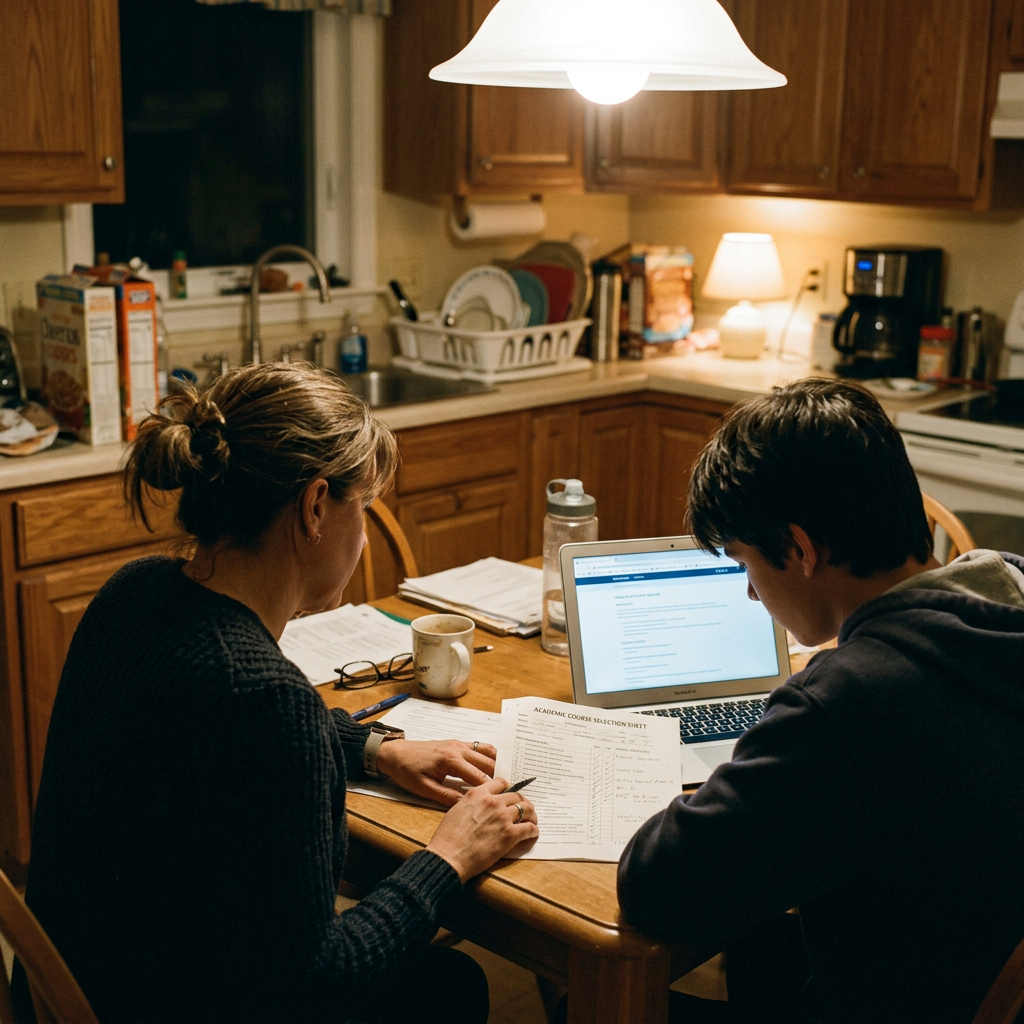
Industry spent those years making the case that skilled work pays well, the jobs are there, and it is honest work you can be proud of. That message was true, and it worked. In a 2026 national survey, 87 percent of parents of teenagers agreed that trade careers deserve the same respect as other paths after high school. Only 12 percent said they would like their own teenager to choose trade school.
We told parents about the paycheck. We never showed them what learning to build does for a kid.
The CTE Science Project: Who we are, and why we’re here.
The CTE Science Project brings together the trade associations whose industries run on skilled workers, behind a single truth: done right, hands-on CTE is applied science, and it requires the things this generation stopped doing.
Our job is to make sure every parent in the country hears it.
We want these students in our industries. But we believe this generation needs strong CTE regardless of where they end up working. What's good for them is good for us.
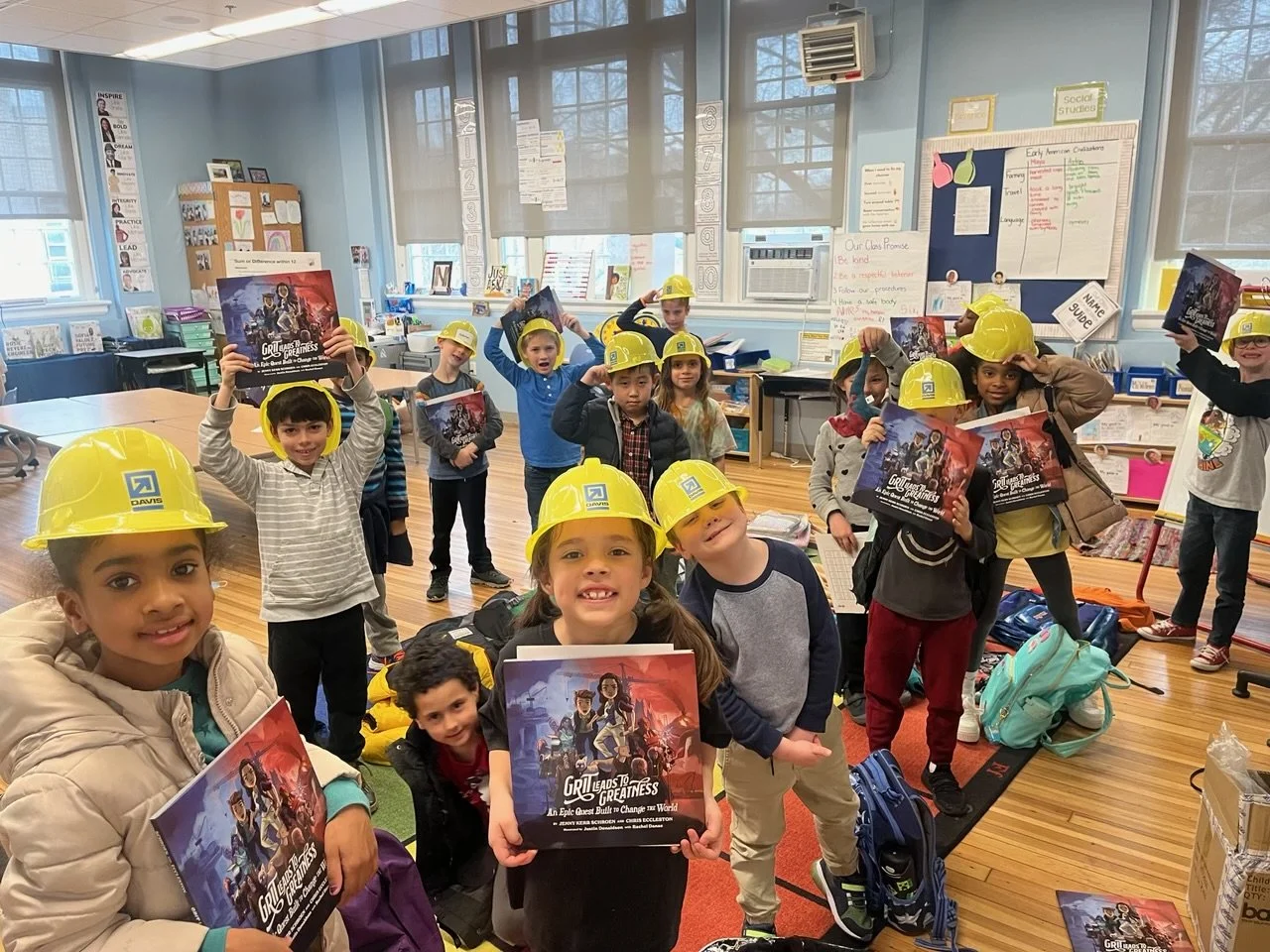
Elementary students with Grit Leads to Greatness, the 2023 children's book by Jenny Kerr Schroen and Chris Eccleston of Delmarva Veteran Builders. Photo courtesy of the authors.
It happened to a whole generation at once.
Seventy-seven percent of teachers in the early grades report that their students handle pencils and scissors worse than the children they taught five years earlier. The share of eighth graders who earn money from work has fallen from 63 percent to 32 percent.
Parents know. "He's on his phone all day." "She doesn't want to get a job." "She hasn't gotten her driver's license." "He isn't interested in anything but that phone." Nothing in that world pushes back.
What most parents don't know is that none of that survives contact with CTE.
Every child starts as a scientist. Then two things happen.
Every child starts as a scientist. Long before a textbook arrives, she is experimenting — guessing how something works, testing it, getting it wrong, and trying again with more determination.
Then school teaches her that a wrong answer is not information but a verdict, and one to be ashamed of. Being wrong became expensive, so she stopped guessing.
Then she is given a phone. Now every question has an answer before she can test it. She never has to guess, and she never has to be wrong. And a question that's answered before it's tested isn't curiosity anymore. It's a search.
An experiment needs a world that pushes back — one that shows you plainly you were wrong, at a price you can afford. School made that price too high. The phone dropped it to nothing.
Nobody takes her curiosity from her. School punishes her for using it. The phone satisfies it without her ever finding anything out.
In a world of screens, CTE demands hands.
The work itself makes demands — not as a lesson in character, but as a condition of getting the job done.
It demands using your hands, because you learn it by doing it, not by reading about it.
It demands thinking, because the breaker tells you something's wrong, not why.
It demands showing up, because the work happens at a place, on a clock you do not set — and it does not start without you.
It demands staying with it, because the material decides when it is done.
It demands owning your mistakes, because a wall is plumb or it isn’t, and everyone on the site can see which.
It demands working with a crew, because most jobs are too big for one pair of hands.
And it ends with something you built that works.
Now picture the student who is doing everything right.
The sophomore with the 4.0 has never been wrong about anything that cost money. Everything she has made this year existed on a screen and was graded in a database. Nothing she turned in had to work. Nothing could be picked up.
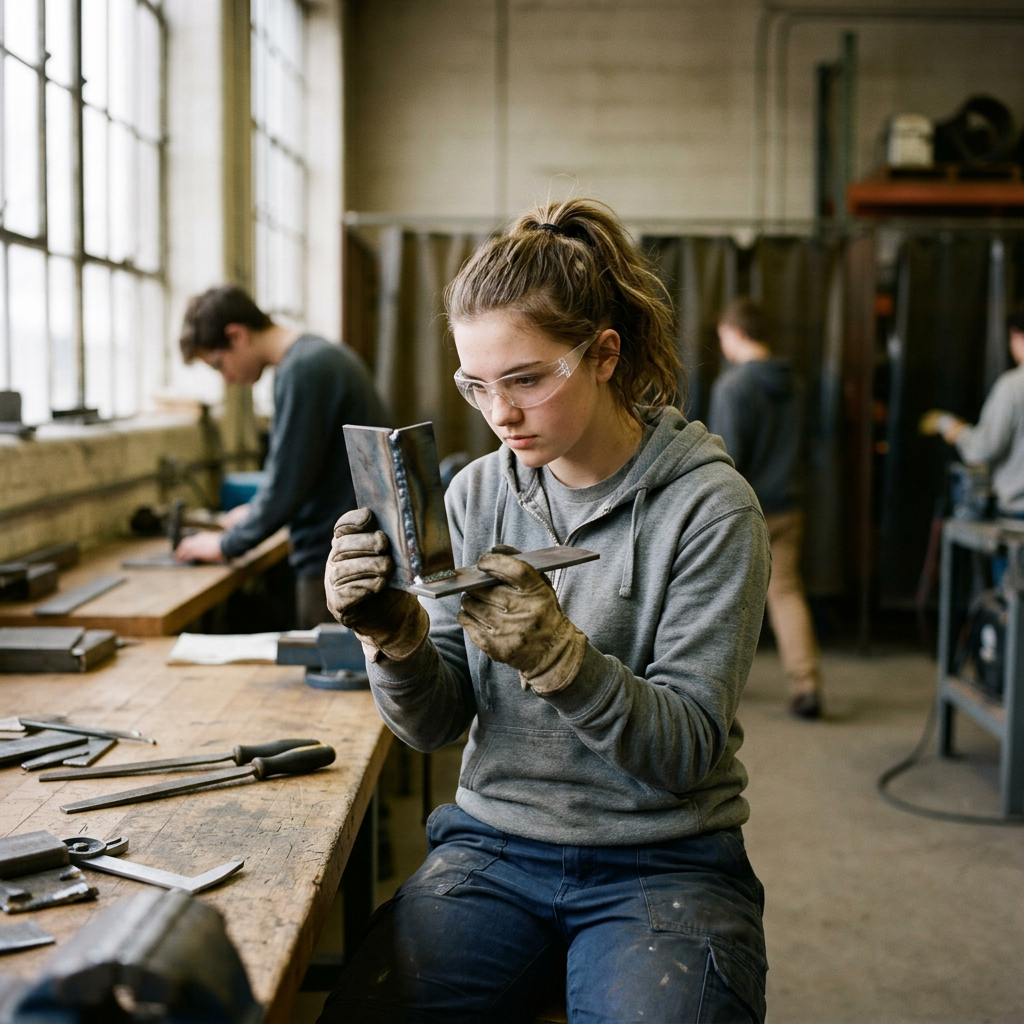
Put her in a CTE lab and the terms change in the first week. The material does not know her GPA. She will be wrong about something that costs money, in front of people. She will be the reason four of them are standing around waiting. And at the end of the period there will be an object on the bench that is either right or isn't — the first thing all year that doesn't care how hard she tried.
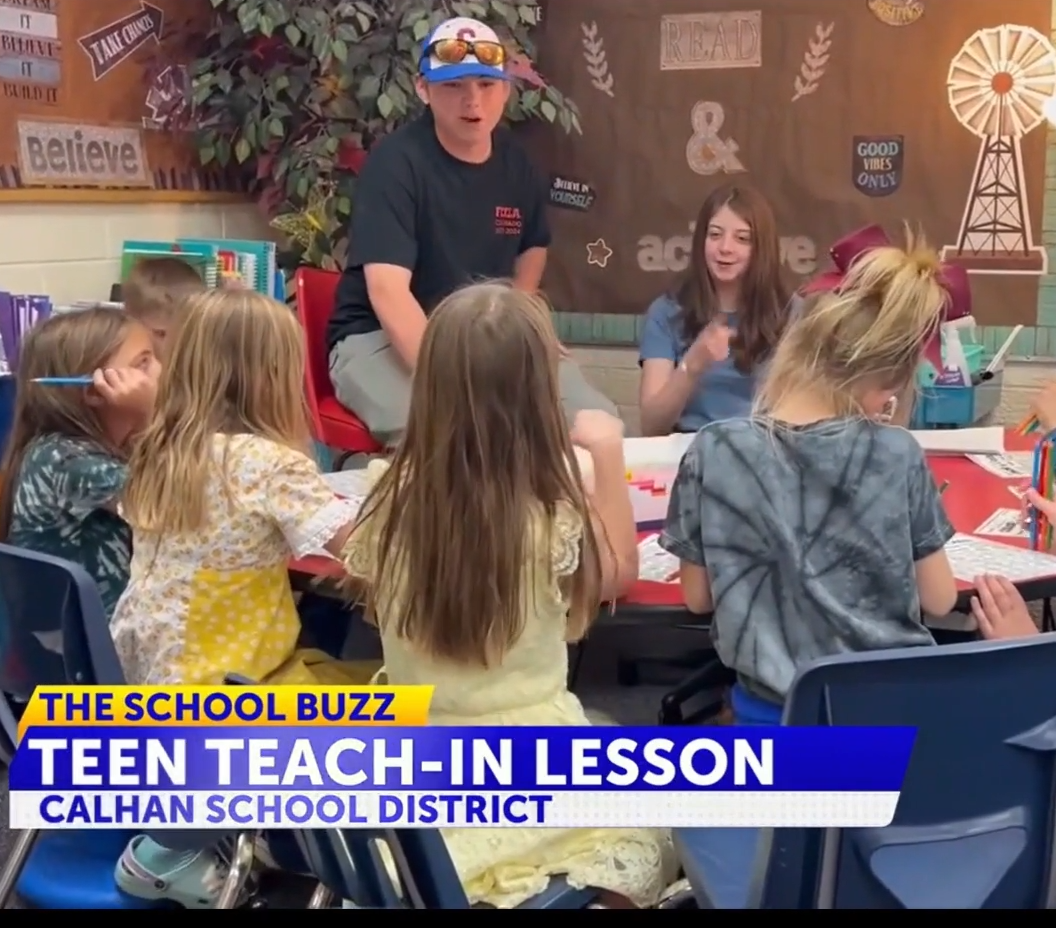
That is the mission, in a classroom. The CTE Science Teach-In is how the CTE Science Project puts it in front of the country.
Parents were never asking whether the work deserved respect.
We told them these were good careers. It was true, and they heard us. They were asking what it would give their children, and we never told them. We are telling them now.
The honest answer is that CTE gives them back what school, society, and screens silently took.
What that looks like.
The CTE Science Teach-In. A high school CTE student walks into a fourth-grade classroom and teaches a lesson from her own coursework — a circuit, a joint, a reaction — with materials the kids can pick up, try, and get wrong.
She has to show up, at a place, on a day. She has to know which part of what she learned applies to this room. She has to finish. The kids carry the lesson home to their parents. Local television covers it in six of every ten markets, campaign after campaign, and what a parent sees on the screen is a teenager doing every one of the things she has stopped expecting from her own child.