Students teaching students. Science made visible. The conversation carried home.
The CTE Science Project's flagship program started with a simple and counterintuitive idea: what if the best way to change how America sees CTE was to let CTE students teach?
High school and postsecondary CTE students — future process technicians, welders, electricians, and builders — visit an elementary or middle school classroom and teach a hands-on applied science lesson drawn from their own coursework. Each event runs about an hour. The CTE students arrive with a lesson plan, materials, and the knowledge to back it up, and lead an activity that makes an applied science concept tangible — the kind that makes a ten-year-old go home and explain thermodynamics at dinner.
Why this reaches the parent.
Industry has spent decades connecting young people to skilled careers — plant tours, guest speakers, awareness campaigns, classroom visits. These are real programs run by people who know the work, and they put a student in front of the work itself. What they reach is the student in the room.
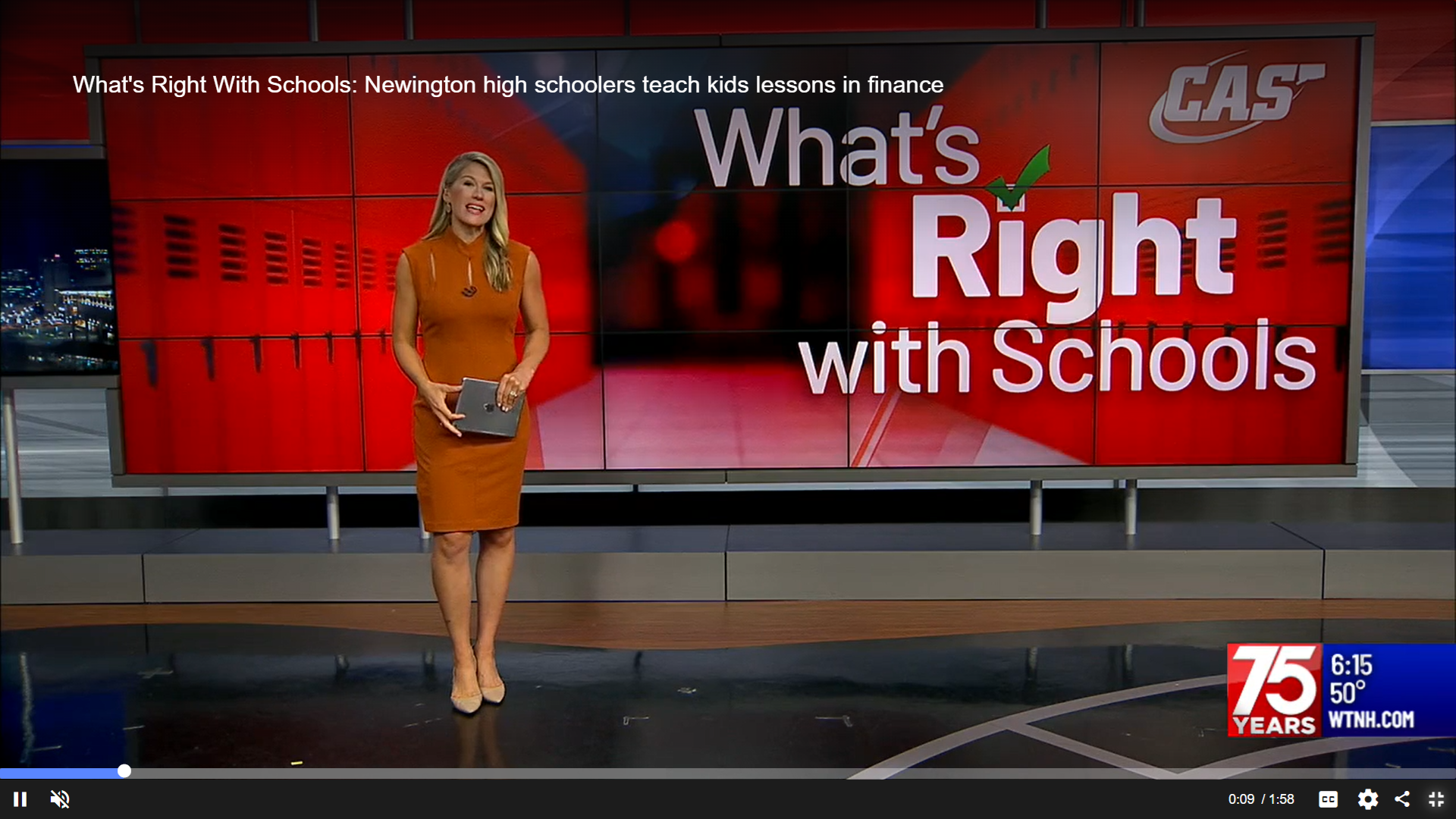
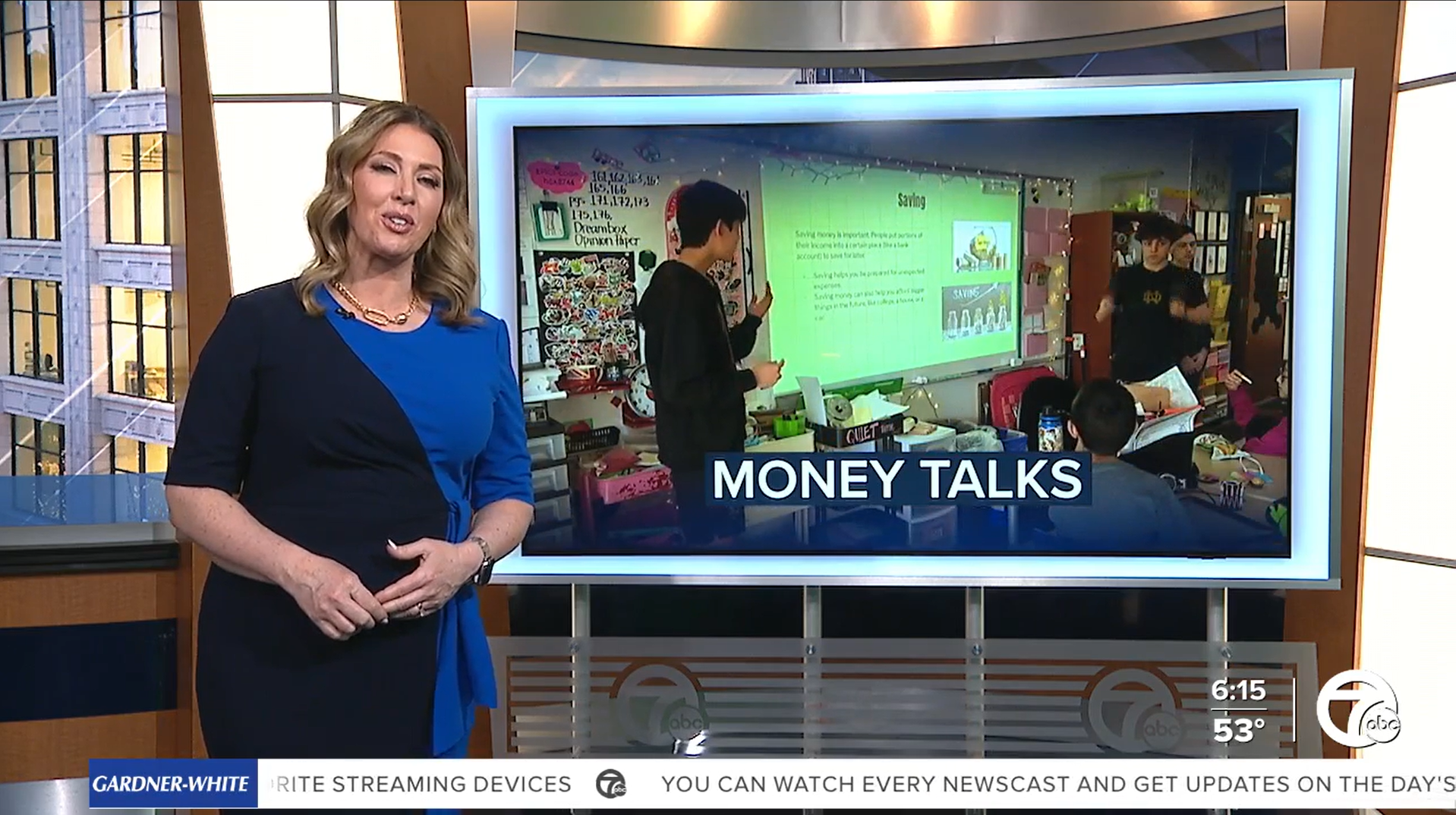
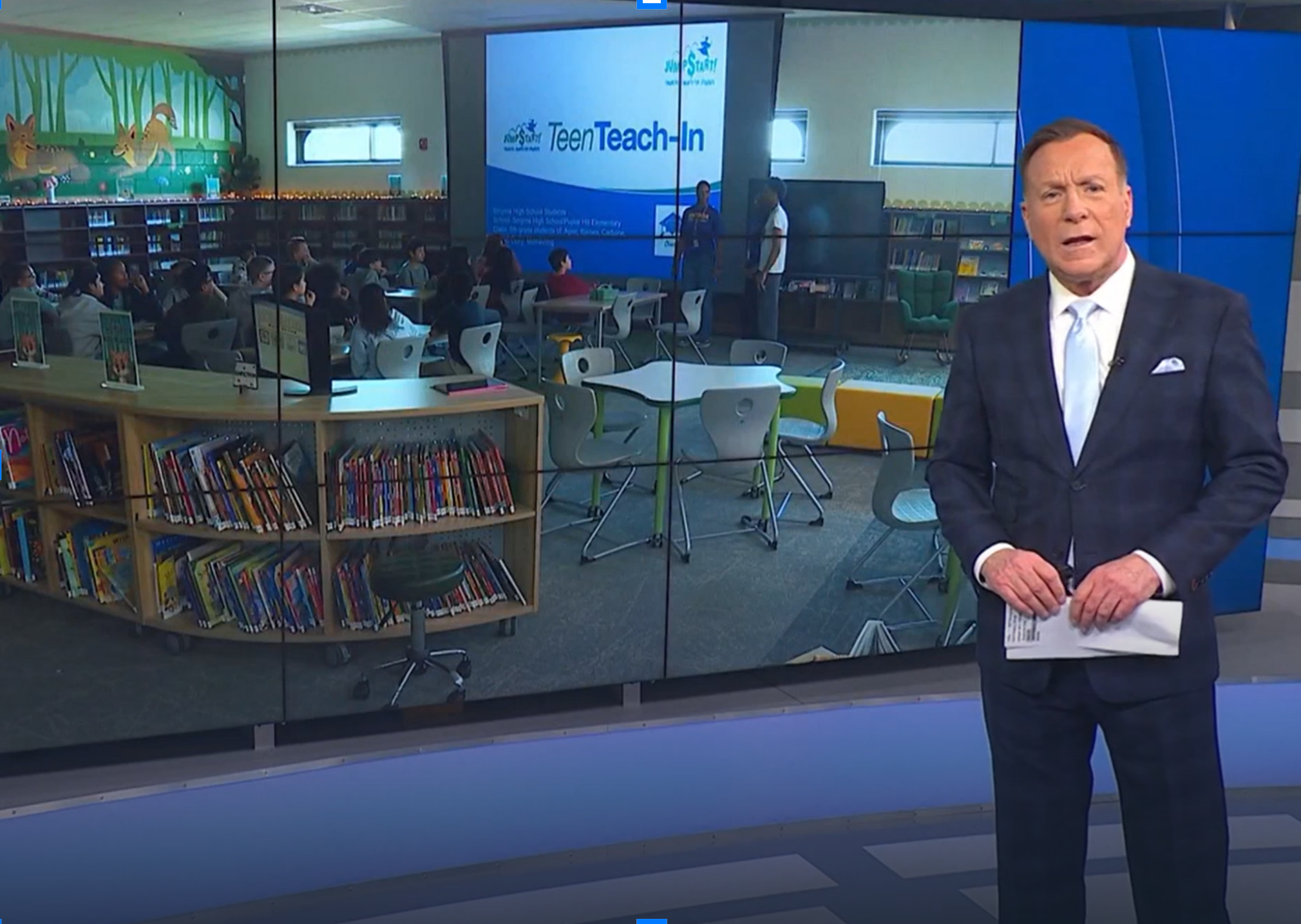
The Teach-In reaches the parent at home. The child carries the lesson home in her hands, and local television carries it into the living room — six of every ten markets, campaign after campaign. The parent is who decides, and the Teach-In is built to put the story in front of her twice.
The teenager at the front of the room has to be there, at a place, on time. She has to know which part of what she learned applies to this classroom. She has to finish the lesson, in front of people, in an hour. What a parent sees on the news that night is a kid doing what parents have stopped expecting from their own — with a lesson she brought from a CTE lab.
The Project provides the framework, the materials, and the sustained media campaign that carries what happens in each classroom into homes across the community.
Recognition, measurement, and the ride home.
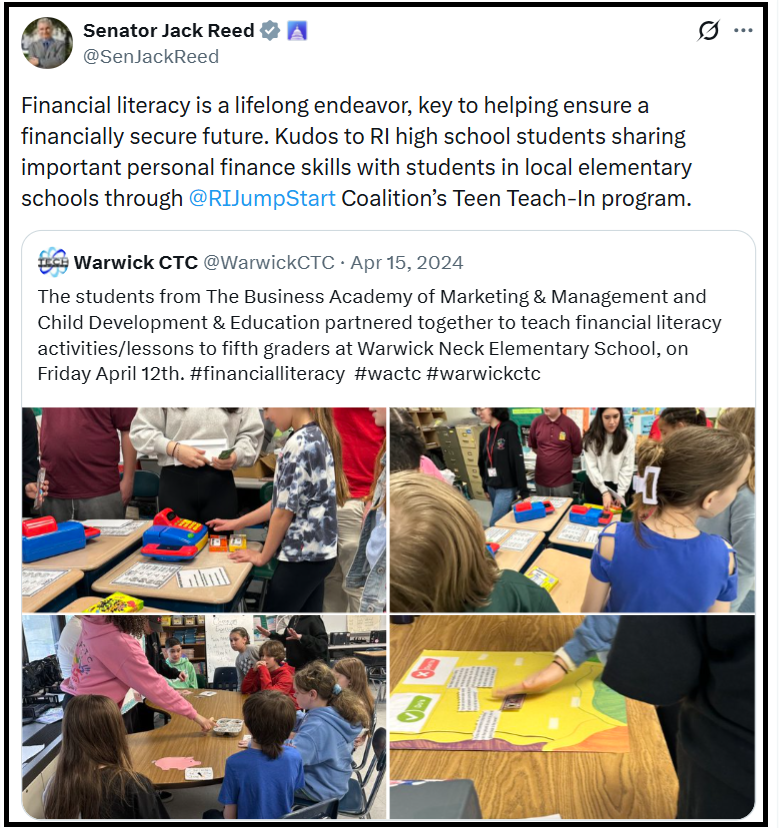
The hour in the classroom is only part of the story. CTE students receive a certificate for the lesson they taught, which they can add to academic and professional portfolios. Host teachers complete a brief survey on their likelihood of using more applied science in future lessons. And every child takes home materials that recap the experiment, so the conversation continues where perception actually changes: at the dinner table.
Applied science you can hold.
Electrical students guide a class through building a simple circuit to explore current and conductivity. Construction students run a bridge-building load challenge to explain tension and compression. Manufacturing students hand a class two parts that look identical and let them find out which one won't fit — and what a tolerance is (how far off a part can be and still work, sometimes two thousandths of an inch).
Every lesson draws on the CTE students' own coursework — the same science they apply every day, translated into something a second, fifth, or seventh grader can do with their hands.
What a Teach-In leaves behind.
Four things happen at every Teach-In. The CTE students deepen what they know by teaching it, and leave with recognition to prove it. The younger children see a future they hadn't pictured, presented by someone a few years ahead of them. The teacher watches a student explain load distribution with confidence. And the community sees it through local news coverage that reaches families no campaign reaches on its own.